The Moon Landing Math Has Changed: 22 Flights Required for a Single Trip
NASA's latest internal estimate suggests that 22 Starship launches are needed to support a lunar mission, a significant jump from previous lower projections.
By Thomas Reynolds ·
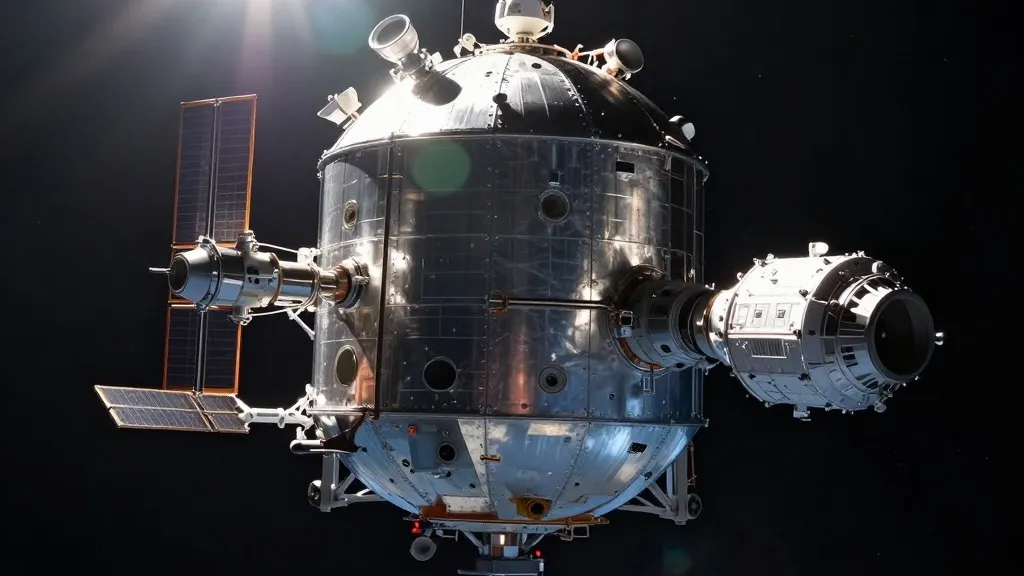
Twenty-two. That is the new number floating around NASA’s headquarters regarding the sheer volume of rocket launches required to get a single crewed lander from Earth orbit to the Moon and back. It is a figure that has historically been treated with almost religious secrecy by agency officials, guarded as if it were a state secret rather than a logistical variable. For years, the public and even industry partners have been left to guess at the magnitude of the lift capacity needed to support the Artemis program, with NASA consistently deflecting questions about the specific fueling requirements for a Starship-based lunar lander.
The agency has long maintained that it does not possess nuclear weapons, but when it comes to this specific metric, the hesitation has been palpable. The core question has always been: how many times must SpaceX fly its Starship vehicle to low-Earth orbit to build up enough propellant in a depot to send a lander to the lunar surface? This number has not been static. It has drifted and shifted as engineering assumptions changed, leaving observers to piece together the truth from fragmented comments and internal memos.
In the past, the official line was a cautious vagueness. In 2023, Lisa Watson-Morgan, who served as the director of NASA’s Human Landing System, told reporters that while the agency had a general idea, she was reluctant to pin down the exact figure. She later described the requirement as being in the "high single digits to the low double digits." That phrasing suggested a total of roughly a dozen launches. To achieve that, SpaceX would have needed to launch one "depot" Starship to orbit first, followed by approximately 11 "tanker" Starships to load it with liquid oxygen and methane.
Other officials have occasionally hinted at even higher numbers, with some citing estimates in the "high teens." The underlying hope for the program has always been that SpaceX would rapidly improve the lift capacity of the Starship rocket. If the vehicle could carry more fuel per flight, the total number of tanker missions would drop significantly, making the logistics of a Moon landing far more manageable. That trajectory of improvement was seen as critical to keeping the Artemis timeline on track for this decade.
However, a new reality is emerging. Concerns have grown among some NASA officials that the dramatic improvements in lift capacity may not be arriving soon enough. If the vehicle cannot carry significantly more propellant per launch, the number of tanker flights required to fill the depot will remain high. This raises the stakes for whether SpaceX’s Starship can play a meaningful, timely role in returning humans to the Moon under the current Artemis framework.
The latest clarity came this week, on Thursday, during a quarterly meeting of the NASA Aerospace Safety Advisory Panel. The panel, which provides independent advice on safety matters, discussed the risks associated with the Artemis program and the specific challenges of landing humans on the lunar surface. It was in this forum that the new estimate gained traction, offering a concrete data point that had been missing from the public discourse.
The discussion was led by Charlie Precourt, a panel member and former NASA astronaut. Speaking on the risks inherent in the program, Precourt addressed the complexities of the landing architecture. His comments highlighted the gap between the optimistic early projections and the more conservative operational realities now facing the agency. The shift to a higher number like 22 is not just a statistical update; it is a signal of the engineering hurdles that still need to be overcome.
For the public, the number 22 represents a tangible barrier. Each launch is a complex, costly, and risky event. Multiplying that by more than two dozen times for a single mission underscores the logistical weight of the endeavor. It also places pressure on the schedule. If the lift capacity does not improve, the window for achieving a crewed Moon landing this decade may narrow considerably, forcing difficult decisions about timelines and resources.
The secrecy surrounding this number was never about hiding the goal, but about managing expectations while the technology was still in development. Now, with the number out in the open, the focus shifts to execution. The agency must determine if the current pace of development can support this volume of launches, or if further delays are inevitable. The Moon is not moving, but the math of getting there is finally becoming clear.
As the Artemis program moves forward, this estimate will serve as a benchmark. It will be the number that engineers, policymakers, and the public use to gauge progress. Whether the final count ends up being 22 or slightly less, the message is the same: getting people to the Moon is an exercise in massive, repetitive logistics. The era of vague assurances is over, replaced by the hard numbers of orbital mechanics and fuel consumption.
Source: Ars Technica